PME 811 Module 4: Introducing Critical Theory to a Reading Culture
PME 811 Module 4 Entry 1: Critical Reading Culture
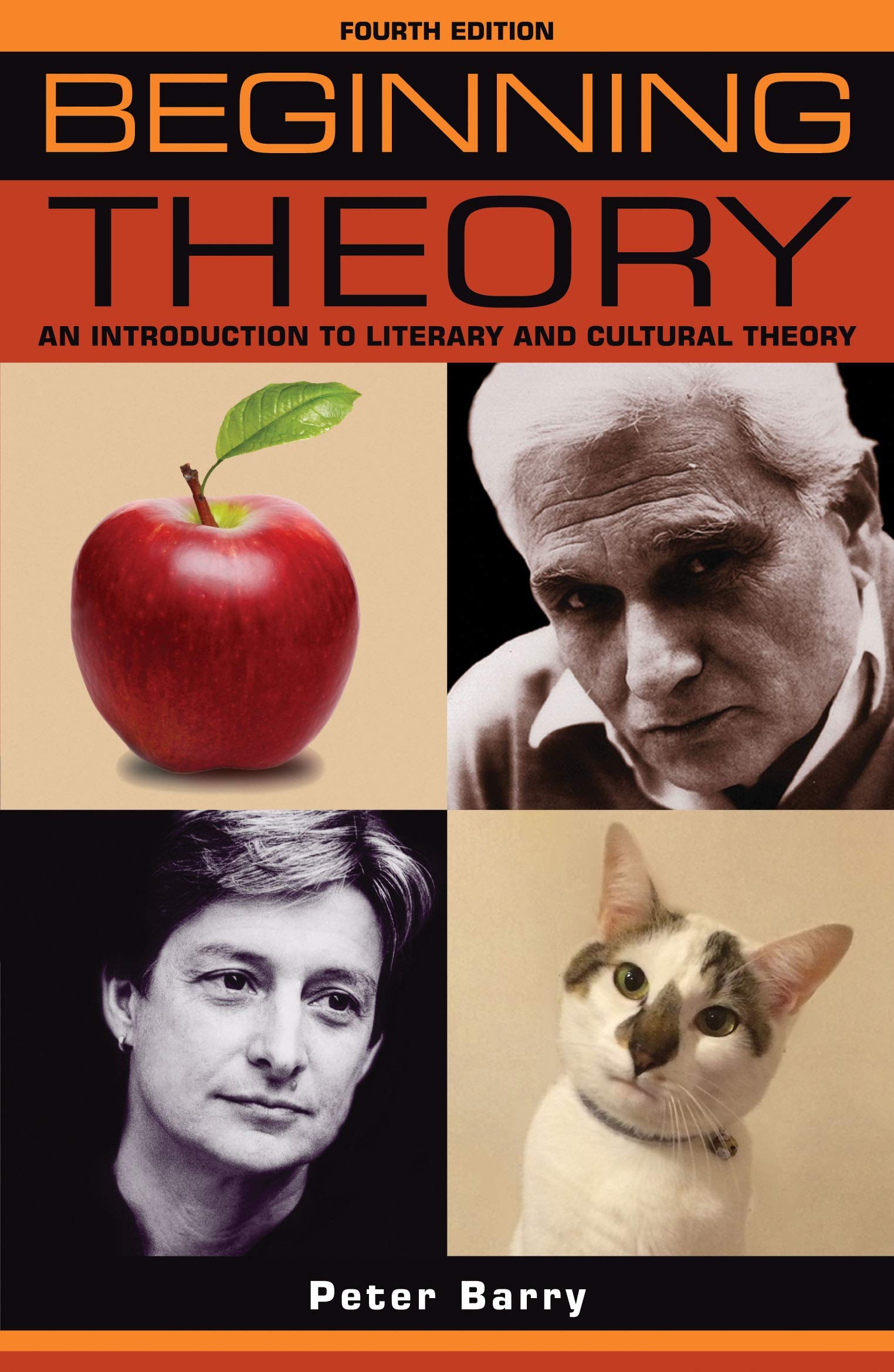
I've decided to read this book for two reasons. First, I was hoping to give myself a 'refresher' on some of the learning I'd done in my undergrad. Second, I hope to incorporate some of these theories into my lessons (Upper Elementary) so that my student could become used to reading more critically. I enjoy how each chapter is broken down into different sections. For example, the first chapter covers 'Liberal Humanism'; we're introduced to the history of the movement; how it impacted or clashed with future movements; a list of main concepts, finally, a section where you're asked to apply that theory to a short passage by considering specific questions.
Beginning with the Liberal Humanists, they are passionate about our common humanity and the individual. One of their tenets is that "Human nature is essentially unchanging. The same passions, emotions, and even situations are seen again and again throughout human history" (Barry, 2017, pp. 20). Liberal Humanists are concerned with analyzing the text more so than any underlying cultural themes or philosophies outside of the text. So, something like a 'close reading' where the reader must extract word meaning and relationships between overarching values (e.g., life and art), this style, Barry says, "is ultimately driven by its moral convictions" (2017, pp. 32) or in other words, why we value certain things and how they are weighed against others.
So, what does this all mean for my classroom? I think having a brief lesson on the history of this movement could certainly prepare students for high school English class where they would be expected to read closely. I also think by practicing this method students might become more attuned to the values and morals of characters and the text itself. Ideally, it would provide students with the tools to closely analyze a text and understand what it's trying to convey to the reader.
Barry, P. (2017). Beginning theory: An Introduction to Literary and Cultural Theory (4th ed.). Manchester University Press.
PME 811 Module 4 Entry 2: Critical Reading Culture II
Peter Barry, English professor at Aberystwyth University, specializes in literary theory, twentieth and twenty-first-century literature. The specific chapter that pertains to the central question is postcolonial criticism.
The purpose of this chapter is to enlighten readers on the meaning of postcolonial theory and how it is implemented. Given that this chapter is found within a general text of theory; it is presented as unbiased as possible. The chapter begins with a historical background, then relevant reading, followed by examples and instruction on how to apply the theory to a piece of text.
At the end of this chapter design, Barry presents a list of six key aspects of postcolonial critic practice. For example, “They reject the claims of universalism made on behalf of canonical Western literature and seek to show its limitations of outlook, especially its general inability to empathise across boundaries of cultural and ethnic difference” (Barry, 2017, pp. 201).
As an educator, I believe this chapter is useful because it attempts to demonstrate how this theory can be used in a practical context. In other words, this theory can be presented to students to help them analyze texts from Indigenous and non-indigenous authors to examine how “literature is often evasively and crucially silent on matters concerned with colonialism and imperialism” (pp. 201). Specifically, perspectives on First Nations, Metis, and Inuit peoples or any other peoples in postcolonial contexts. For example, we might question how characters are represented; how the author's voice contributes to the depiction or lack thereof of colonized vs non-colonized figures; how the content and accuracy impact the morality or intention of the story.
What is becoming increasingly important in education is teachers working to incorporate diverse texts (e.g., novels, films, graphic novels, etc.) that represent their students. This is consistently presented as almost a prerequisite for getting students excited about reading. Since our central question revolved around how to best develop a critical reading culture; I believe this chapter/theory can aid developing critical readers because it helps connect to Indigenous or post-colonial historical realities can aid student engagement.
Comments
Post a Comment